Business Line of Credit for Agriculture: Operating Capital for Farms and Ag Businesses
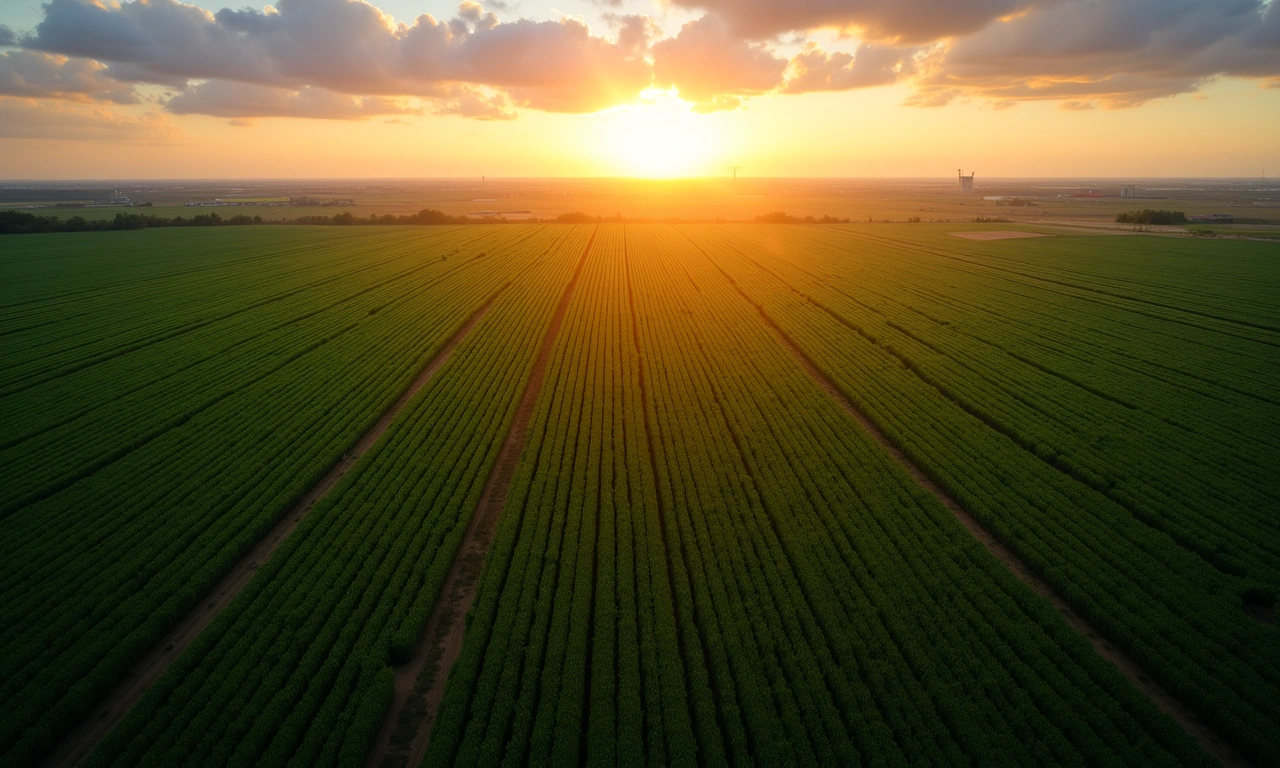
Farming runs on a cash flow gap that most other industries don't face. You spend in spring to plant, wait months while crops grow, and collect revenue only after harvest. A standard term loan does not fix that problem. A revolving line of credit does.
An agricultural line of credit lets farms draw funds when input costs hit, repay when revenue comes in, and repeat the cycle each season. It's a structure built for how ag businesses actually operate, not how a bank's underwriting spreadsheet expects them to.
How Agricultural Lines of Credit Work
An ag LOC is a revolving credit facility, which means you borrow up to an approved limit, repay it, and the available credit replenishes. You pay interest only on what you've drawn. That matters because most farms don't need all their operating capital at once.
A corn operation might draw 60% of its line in March for seed and fertilizer, another 15% in June for pesticide applications, and then repay the full balance after October harvest sales. The line sits available but unused during dormant months, costing nothing beyond any annual maintenance fee the lender charges.
Most agricultural LOCs are structured on 12-month terms. The lender reviews the credit annually, which gives them a chance to reassess your farm's financials before renewal. It also gives you leverage to negotiate better rates if your operation has had a strong year.
Draw periods vary. Some lenders restrict draws to specific windows tied to planting seasons. Others allow open draws at any time during the year. Know which structure you're signing before you commit.
Most agricultural LOCs require only interest payments during the draw period, with the full principal due at the end of the annual term. This keeps monthly cash obligations low during the growing season, when the farm is spending heavily and revenue hasn't arrived yet.
Collateral requirements differ by lender and loan size. Smaller lines under $100,000 may be unsecured or backed only by a personal guarantee. Larger facilities typically require real property, equipment, crops in the ground, or livestock as collateral. USDA-backed programs sometimes allow the anticipated harvest itself to serve as partial collateral.
One thing that catches farmers off guard is the annual review process. A term loan, once funded, doesn't require you to requalify each year. An LOC does. If commodity prices drop, your revenue shrinks, or your farm's debt load increases, the lender can reduce your limit or decline to renew. That's a real risk worth planning around.
Types of Lenders Offering Agricultural Credit Lines
The ag lending market splits into a few distinct channels, and each comes with different eligibility standards, rates, and paperwork burdens. Knowing where you fit before you apply saves time.
Farm Credit System
Farm Credit is a network of cooperative lenders chartered specifically for agriculture. It's the largest agricultural lender in the United States. Their operating lines of credit are designed for exactly the seasonal cash flow cycle farms deal with.
Rates tend to be competitive, especially for established operations with clean balance sheets. The application process is more involved than fintech lenders, requiring several years of tax returns, balance sheets, and production records. Worth it for large operations. Slower for farms that need capital fast.
USDA Farm Service Agency
The FSA offers direct operating loans and guaranteed operating loans through participating commercial lenders. Direct loans come from the USDA itself, targeted at farmers who can't qualify elsewhere. Guaranteed loans are originated by a private bank, with the USDA backing a portion of the risk.
FSA rates on direct loans are typically below market, which makes them attractive. The trade-off is paperwork volume and processing time, sometimes months. Emergency and beginning farmer programs add additional options for qualifying applicants.
Community and Regional Banks with Ag Departments
Many community banks in agricultural regions have dedicated ag lending officers who actually understand how farms work. They're often faster than Farm Credit on smaller lines and more flexible than national banks on collateral structures.
The challenge is that underwriting standards vary widely. The same loan package might sail through one community bank and get declined at another based on internal concentration limits for ag exposure. Apply to two or three if you're in this channel.
Online and Alternative Lenders
Online lenders have moved into agricultural financing over the past several years. They won't match Farm Credit rates, but they fund faster, often within two to five business days, and their applications require less documentation.
These lenders work best for smaller operations, newer farms without the multi-year tax history that traditional lenders want, or situations where timing matters more than rate. A farm that needs to buy inputs now, before prices move, may accept a higher rate to get funded in days rather than weeks.
Agricultural LOC Rates, Terms, and Lender Comparison
Rates on agricultural lines of credit ranged from roughly 7.5% to 18% in 2026 depending on the lender type, the borrower's credit profile, and whether the line is secured. The table below reflects current market conditions across major channels.
| Lender Type | Typical APR Range | Credit Line Range | Term | Min. Credit Score | Time to Fund |
|---|---|---|---|---|---|
| Farm Credit System | 7.50% - 9.75% | $50K - $5M+ | 12 months, renewable | 660+ | 3 - 6 weeks |
| USDA FSA Direct | 5.50% - 7.25% | Up to $400K | 12 months | 600+ (flexible) | 6 - 12 weeks |
| USDA FSA Guaranteed | 7.00% - 9.50% | Up to $2.04M | 12 months, renewable | 620+ | 4 - 8 weeks |
| Community/Regional Bank | 8.00% - 11.50% | $25K - $1.5M | 12 months, renewable | 650+ | 2 - 4 weeks |
| Online Lender (Ag-focused) | 11.00% - 18.00% | $10K - $250K | 6 - 18 months | 580+ | 2 - 7 business days |
Rate data reflects averages as of mid-2026 and will vary based on collateral, loan size, borrower credit quality, and lender-specific pricing. USDA direct loan rates change quarterly; check FSA.usda.gov for current published rates before applying.
The spread between USDA direct and online lenders is significant. A $150,000 line at 6% versus 16% costs roughly $15,000 more in annual interest at the higher rate. That difference can represent a meaningful slice of net farm income on a smaller operation. Qualify for government programs if you can.
What Lenders Evaluate When You Apply
Agricultural underwriting weighs factors that general business lenders don't always consider. A lender with an ag-specific team will look at your operation differently than one running your farm through a standard small business credit model.
Farm Income History
Lenders want to see Schedule F tax returns for the past two to three years. They're looking for consistent gross revenue, trends in operating expenses, and whether your operation generates enough income to service debt. A single bad year due to drought or commodity price drops usually won't kill an application if the surrounding years are solid.
They also look at whether income is diversified. A farm that grows one commodity crop and sells everything at harvest carries more concentration risk than one with multiple revenue streams across crops, livestock, or agritourism income.
Debt Service Coverage
Your DSCR, debt service coverage ratio, compares net farm income to total debt payments. Most ag lenders want a ratio of at least 1.25:1, meaning $1.25 of income for every $1.00 of debt. A ratio below 1.0 means the farm isn't generating enough to cover its existing obligations, and a new line of credit almost certainly won't get approved in that scenario.
Collateral and Working Capital
Lenders assess what you own against what you owe. Land equity is the strongest collateral in agricultural lending. Equipment, livestock, and stored grain can all support a line, though lenders discount their values, often significantly, to account for volatility and liquidation costs.
Working capital, current assets minus current liabilities, is scrutinized closely on operating lines. A farm that's already thin on current liquidity may struggle to secure a new revolving facility, regardless of how solid the long-term balance sheet looks.
Personal Credit
Most agricultural LOCs require a personal guarantee from the principal operators. Personal credit scores typically need to be at least 650 for commercial lenders. The FSA has more flexibility, particularly for beginning farmers and those coming off a federally declared disaster year.
If your personal credit has blemishes, be direct about them during the application process. Lenders who specialize in ag understand that farm family finances and farm business finances are often intertwined, especially on smaller operations.
Gather three years of Schedule F returns, a current balance sheet with assets and liabilities, a crop production history, your existing loan statements, and a one-page description of how you plan to use the credit line. Having these ready before you contact a lender cuts application time significantly.
Agricultural LOC vs. Other Farm Financing Options
A line of credit isn't the right tool for every farm financing need. It's worth being clear about where it fits and where it doesn't.
Operating lines are for recurring, short-term expenses, seed, fertilizer, fuel, labor, irrigation. For large equipment purchases, you want a term loan or equipment financing, not a revolving line. Buying land requires a real estate loan with a much longer amortization. Using an operating line for capital expenditures is a category error that can create serious cash flow problems when the line comes due.
An agricultural LOC is closely related to a working capital line of credit, which covers a similar set of short-term operational expenses across industries. The core mechanics are the same. The underwriting criteria and lender pool differ, with ag-specific programs and USDA options available only to qualified agricultural borrowers.
If your farm carries significant inventory, whether stored grain, livestock feed, or perishable goods awaiting sale, it may also be worth looking at inventory-backed credit lines, which use the inventory itself as collateral and may allow for higher borrowing amounts relative to unsecured facilities.
For farmers who are newer to business credit and want to understand the full structure before applying, the primer on what a business line of credit is covers the mechanics in plain terms.
Quick Check
See what you qualify for in under 3 minutes.
No personal guarantee required. No hard credit pull. Revenue history is what qualifies you.
Check Capital Eligibility →Frequently Asked Questions
What is an agricultural line of credit?
An agricultural line of credit is a revolving credit facility designed for farms and ag-related businesses. You draw funds as needed, repay after harvest or sales cycles, and the credit replenishes. Most are structured on 12-month terms that renew annually.
What credit score do you need for a farm line of credit?
Most commercial lenders want a personal credit score of at least 650 for an agricultural LOC. Farm Credit institutions and USDA-backed programs can sometimes work with scores in the 600 to 640 range, especially when the farm has strong collateral and consistent revenue history.
Can a beginning farmer qualify for a line of credit?
Yes, with caveats. USDA Farm Service Agency has specific Beginning Farmer programs with relaxed experience requirements. Private lenders will typically want at least one completed growing season, a business plan, and some form of collateral, even for newer operations.
How much can a farm business borrow on a line of credit?
Credit limits vary widely. Small farms often qualify for $25,000 to $150,000 through online lenders or community banks. Larger operations working through Farm Credit or regional ag banks can access $500,000 to several million dollars, typically sized to a percentage of projected gross revenue.
What can an agricultural line of credit be used for?
Approved uses typically include seed, fertilizer, pesticides, fuel, labor, irrigation costs, feed for livestock, and short-term equipment leases. Most ag LOCs are not meant for buying land or major capital equipment. Those purchases are usually handled through term loans.
Ready to check your options?
Meridian Private Line connects businesses with independent financing partners. Not a direct lender. Affiliate partnerships present.
Check Capital Eligibility →